
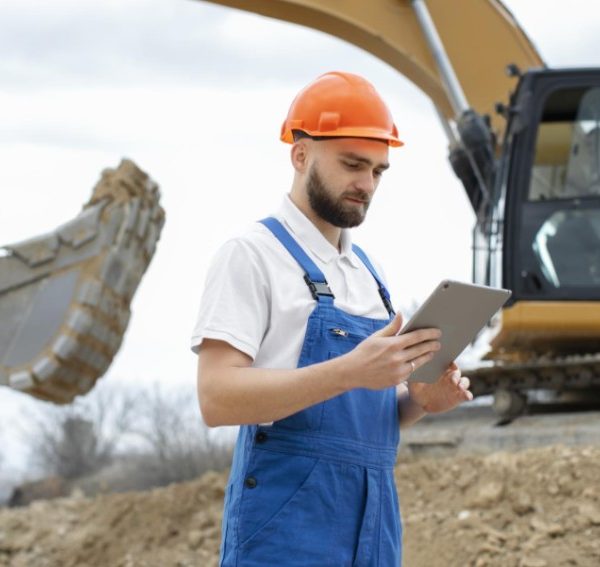
Many workers in civil construction begin to consider mining as the next step in their career. Projects in mining often involve larger equipment, remote work environments and structured site systems. Making the decision to move across can raise questions about skills, training and realistic expectations. Understanding how to Transition Civil to Mining Jobs helps workers plan the shift in a practical way, especially when upgrading existing civil machinery experience into mining operator roles.
Civil workers already have a valuable foundation. Experience with earthmoving plant, safety procedures, traffic control, teamwork and site communication provides a strong base for mining environments. The key difference is learning the language, standards and expectations of mine sites, while building confidence in operating within larger production settings. Many workers discover that their existing capabilities are more transferable than they first assumed.
Early progress often starts with becoming familiar with the way mining workplaces communicate and operate. Some workers look for practical resources that explain terminology, safety culture and daily routines in straightforward terms. Helpful background information can be found in mining specific language guides such as mine site language and communication resources which assist with understanding the terminology used on site.
Why civil workers are well placed to move into mining
Civil projects already share many characteristics with mining operations. These include work with heavy machinery, structured safety systems, environmental controls and production deadlines. Workers from civil backgrounds often arrive with:
- experience operating earthmoving equipment
- understanding of hazard identification and risk controls
- ability to follow procedures and permits
- familiarity with fatigue management and shift work
- exposure to remote or temporary site facilities
This means the move is usually about adapting, not starting again. The core operator mindset is already developed through civil construction training and hands-on experience. Mining simply adds new contexts such as larger scale operations, specific site rules and different production targets.
A strong approach is to map your current duties to what mine sites require. For example, if you have operated excavators, dozers or loaders on road or subdivision projects, those skills can be aligned with mining operator training pathways that concentrate on bulk movement, load and haul and pit operations.
Understanding the differences between civil and mining environments
Although there is overlap, there are clear differences between civil construction projects and mine sites. Recognising these helps manage expectations.
Mining is usually production focused rather than project milestone focused. Work is often repetitive, carried out in larger fleets and driven by output targets. Civil work may involve more varied tasks such as drainage, services, pavements and finishes, whereas mining roles can centre on consistent operation of a particular machine for long periods.
Safety systems can also differ. Mining tends to use highly structured induction programs, permit systems and detailed standard operating procedures. Communication uses radios continuously, with strict conventions for call ups and movement. Understanding these expectations is an important part of interview preparation as well as daily work.
Workers who prefer routine and steady machine operation may find mining a good fit. Others appreciate the stronger site support systems found on many mines, including pre start meetings and structured shift handovers.
If you are comparing options or learning about broader training pathways used by people entering the sector, it can be useful to review information about mining training and entry pathways which explains typical steps candidates follow.
Upgrading machinery skills for mining settings
A practical way to move from civil to mining is to upgrade or broaden your machinery experience. Many mines look for multi skilled operators who can use different types of equipment depending on production needs. Useful upgrades may include:
- progressing from smaller to larger capacity plant
- gaining experience in load and haul cycles
- improving accuracy with stockpile management
- learning mine specific communication protocols
- understanding pre start inspection standards
Formal training is only one part of the process. Demonstrating the right attitude is equally important. Supervisors often seek operators who are calm, observant and consistent over long shifts. Bringing a safety focused mindset from civil construction training is a strong advantage.
Making your experience relevant to mining recruiters
When preparing resumes or interview responses, it helps to describe your work in language commonly used in mining. Use clear examples of:
- equipment models and sizes
- production tasks rather than only project names
- working to procedures and permits
- reporting faults or hazards
- participating in pre starts or toolbox meetings
Explain how you contributed to safe productivity. Even if you have not yet worked on a mine, these examples demonstrate readiness. Employers focus on reliable behaviour and proven site awareness, not only prior mine site access.
It is also helpful to show willingness to learn new systems. Mine sites value operators who ask questions, follow directions and understand that safety procedures exist for clear reasons.
Training options that support transition
Civil workers usually already possess many practical competencies. Training for mining often concentrates on bridging knowledge gaps rather than replacing existing experience. Examples include:
- familiarisation with mining terminology and culture
- machine operation in production environments
- radio communication and traffic management in pits
- fatigue, isolation and remote work awareness
Short courses or targeted mining operator training can help address these areas. The aim is confidence and clarity about expectations rather than collecting certificates for their own sake.
Understanding why particular procedures exist also supports better performance. Workers who link rules to real risks tend to engage positively with site systems and communicate more effectively with supervisors and other operators.
Career advancement and higher paying mining roles
Some civil workers consider moving to mining because of the potential for career progression. Higher paying mining roles often require:
- strong safety record
- reliable attendance
- willingness to work rosters
- competence on multiple machines
- positive references from supervisors
Progression may move from entry level operator to production operator, then to leading hand or supervisory positions depending on interest and aptitude. Others transition into maintenance support, drilling, laboratory roles or logistics.
More important than chasing pay alone is understanding the lifestyle involved. Rosters, remote locations and long shifts affect family and social life. Planning around these realities leads to better long term decisions.
Practical steps to prepare for the move
A structured approach can make the transition smoother:
- List your current machinery skills and site experience
- Identify gaps between your background and mining job ads
- Update your resume using mining aligned language
- Practise interview responses focusing on safety and teamwork
- Consider targeted training only where it bridges real gaps
- Prepare for lifestyle changes associated with rosters and remote work
Speaking with people already working in mining can also provide realistic insight. Their experience of fatigue, travel and camp life often helps in deciding whether the move suits your circumstances.
Common challenges when changing sectors
Shifting from civil to mining is achievable, yet certain challenges are common. These include:
- limited direct mine site experience when first applying
- adapting to long repetitive shifts
- being away from home for extended periods
- learning detailed radio and communication protocols
Patience is important in the early stage. Some workers accept initial roles that provide site access before progressing to preferred positions. Building a track record matters. Once your reliability is demonstrated, opportunities usually widen.
Conclusion
Transitioning from civil construction into mining can be a practical step toward broader career options and higher earning potential. With existing experience on civil machinery, you already have a strong base to build on. By strengthening your competencies, understanding mining site expectations and seeking the right guidance, you can position yourself confidently for mining operator roles. If you would like to understand the reasons to choose My Solution Training as part of your pathway, you can explore how structured training and support may help align your current civil skills with mining requirements. Taking purposeful steps now can help you move from civil roles into mining with clarity and direction.
Frequently Asked Questions
Not always. Many employers value civil machinery experience, strong safety awareness and willingness to learn mine specific procedures. Initial site roles are sometimes used as a first step.
Experience on excavators, haul trucks, loaders, dozers and graders is commonly recognised. The ability to operate safely and consistently is often valued more than the number of tickets held.
Extra training can help when it closes genuine knowledge gaps, such as learning mine site language or radio protocols. It is most effective when linked directly to the types of roles you are seeking.
Many mining roles involve rosters, remote locations and camp living. Some workers enjoy the routine while others prefer local civil work. Considering family responsibilities and travel is important.
Yes, progression is possible through experience, multi skilling, strong safety performance and positive references. Advancement depends on site needs and personal interest in additional responsibility.